Extendable lowbeds are more capable than fixed ones in every direction except two: they weigh more and they cost more. That trade is worth making surprisingly often, but not always, and the decision comes down to what proportion of your work is genuinely long.
What the extension actually buys
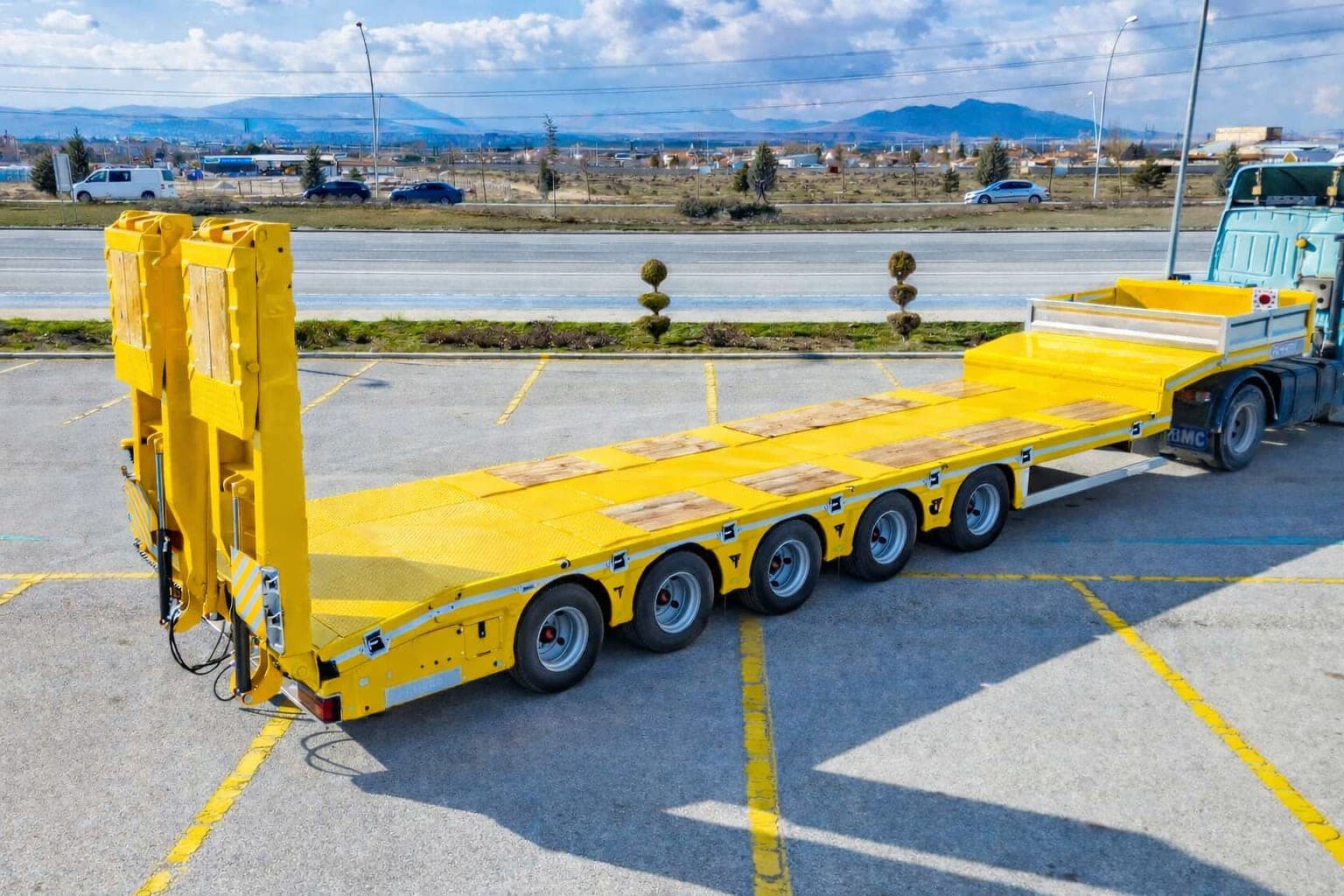
A telescopic deck lets the trailer grow, typically by up to six metres, so a long load can be carried within the deck rather than overhanging it. Overhang is what triggers escorts, markings, and route restrictions, so removing it removes cost from every trip.
It also lets you carry two shorter machines in a single movement where a fixed trailer would need two trips. On the right work, that alone justifies the purchase within a season.
What it costs you on every other trip
The telescopic mechanism, the extra beam length, and the reinforcement around the extension add tare weight. That weight comes directly out of your legal payload on every journey, including the short ones.
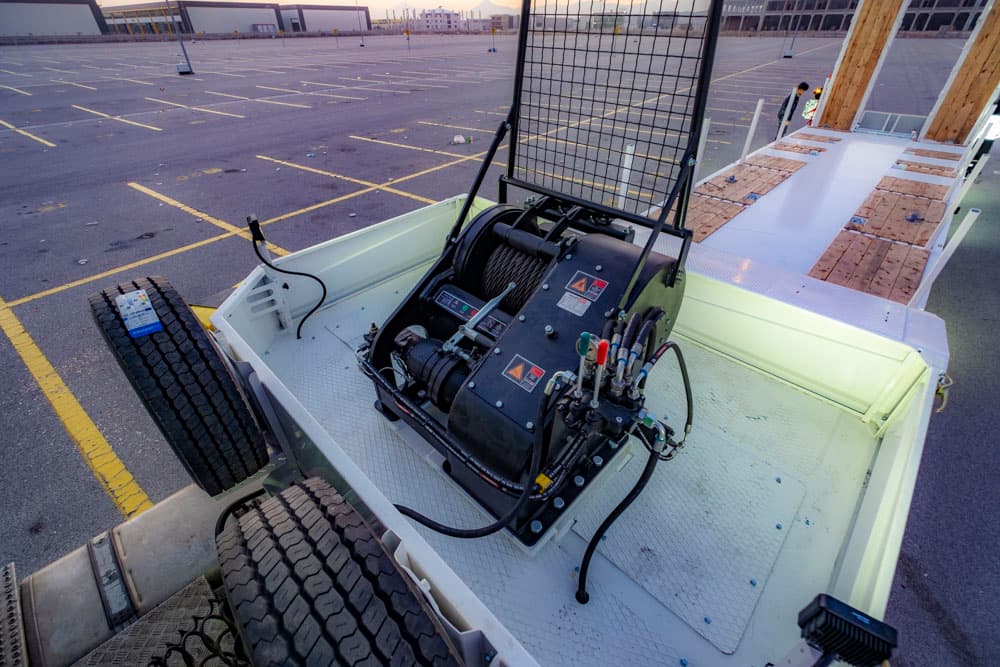
There is also more to maintain: sliding surfaces, locking pins, and the hydraulic circuit that drives them all need attention that a fixed deck simply does not require.
The question that decides it
Look at a year of movements rather than the most impressive one. If more than roughly a quarter of your loads exceed the deck length of a fixed lowbed, the extendable pays for itself. If it is a handful of jobs a year, subcontracting those specific movements is usually cheaper than carrying the tare weight for twelve months.
Steering changes the answer again
Once a trailer is long, steering stops being an option and becomes a requirement. Self-steering axles follow the tractor mechanically and suit predictable road work. Hydraulic steering is actively controlled, allowing much tighter manoeuvres and precise positioning on site.
For wind, infrastructure, and anything that ends on a rural access road, hydraulic steering on an extendable deck is the combination that actually completes the job.
A reasonable default
If most of your work is machinery under 13 metres and you value payload, buy a fixed lowbed and spend the saving on axles and options. If your work is long, varied, or project-driven, buy the extendable with hydraulic steering and treat the tare weight as the price of never turning a job down.