Lowbed trailers fail in predictable ways. Almost every unplanned stoppage traces back to something that a short, disciplined inspection routine would have caught weeks earlier.
Before every trip
Five minutes, walked in the same order every time so nothing is skipped.
- Tyre pressures and visible sidewall or tread damage
- Lighting, indicators, and marker boards
- Air lines and electrical connections for chafing and secure coupling
- Ramps and locking pins fully engaged and secured
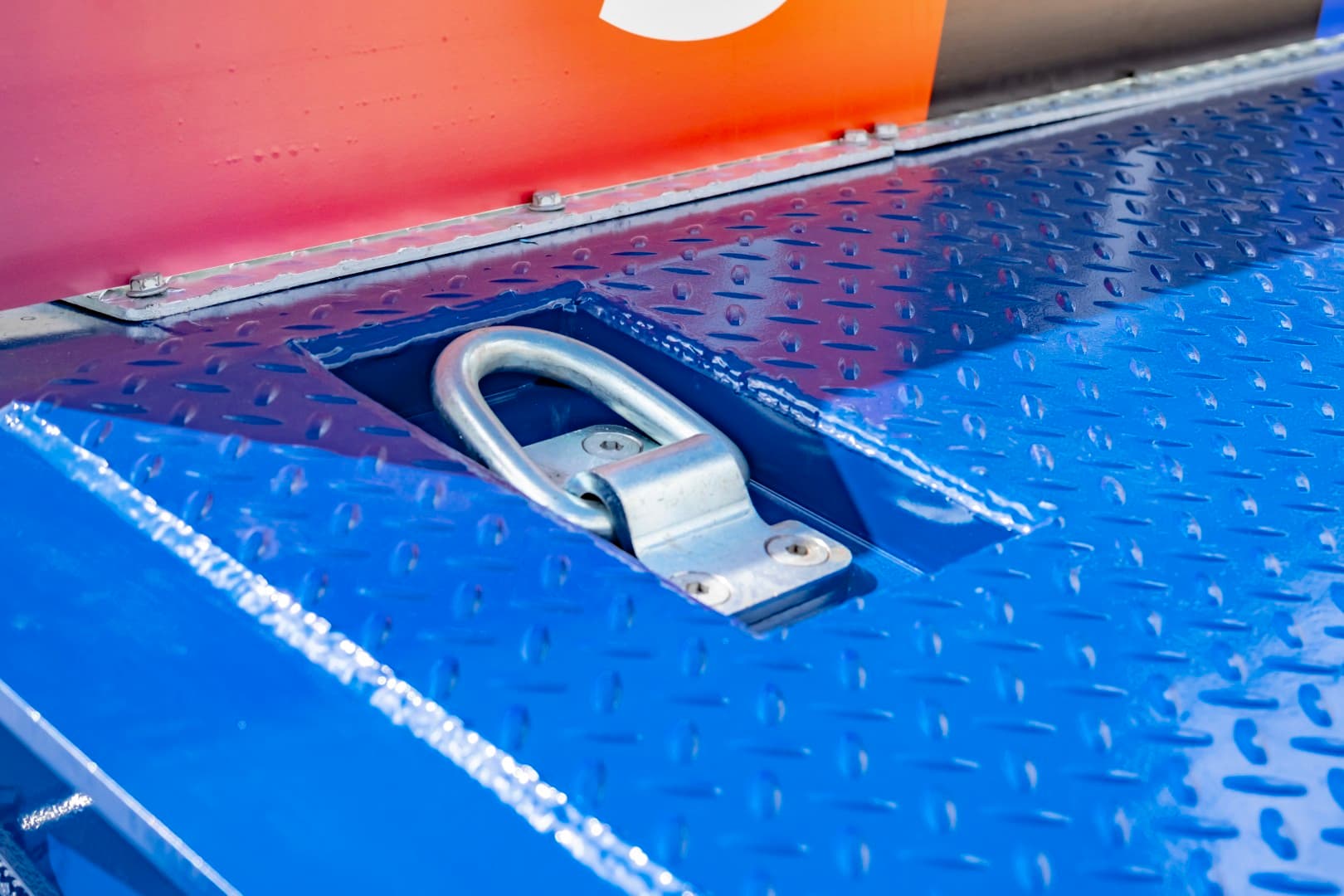
- Lashings, chains, and tensioners for wear, cuts, or deformation
Every month
The interval where developing faults become visible, before they become failures.
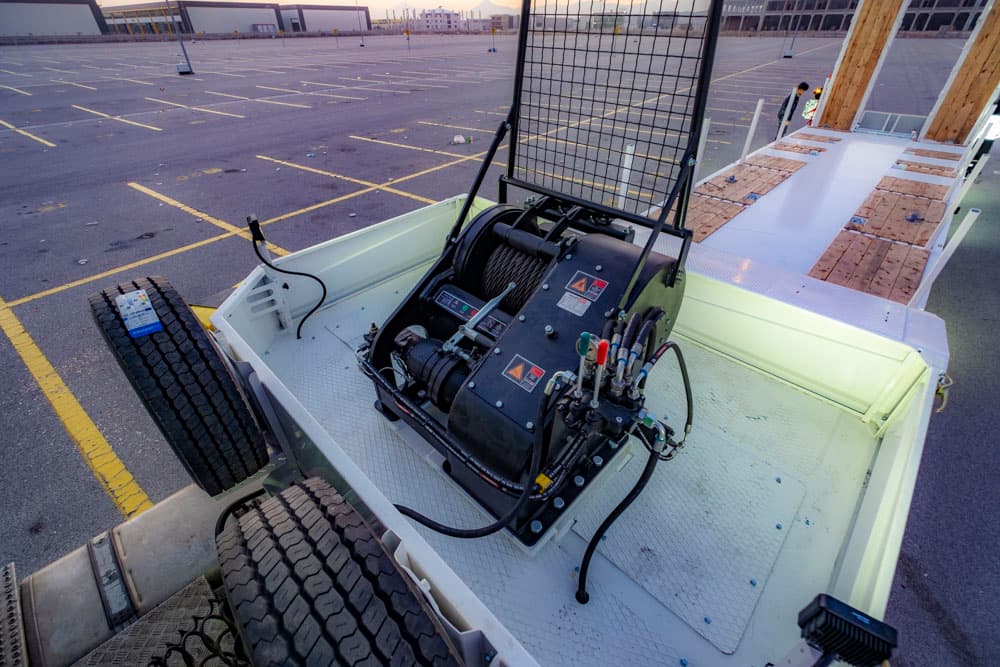
- Hydraulic hoses and cylinders for weeping, chafing, or fitting corrosion
- Suspension bushes, air bags, and shock absorbers for play or leakage
- Brake pad thickness and disc or drum condition
- Landing gear operation and gearbox lubrication
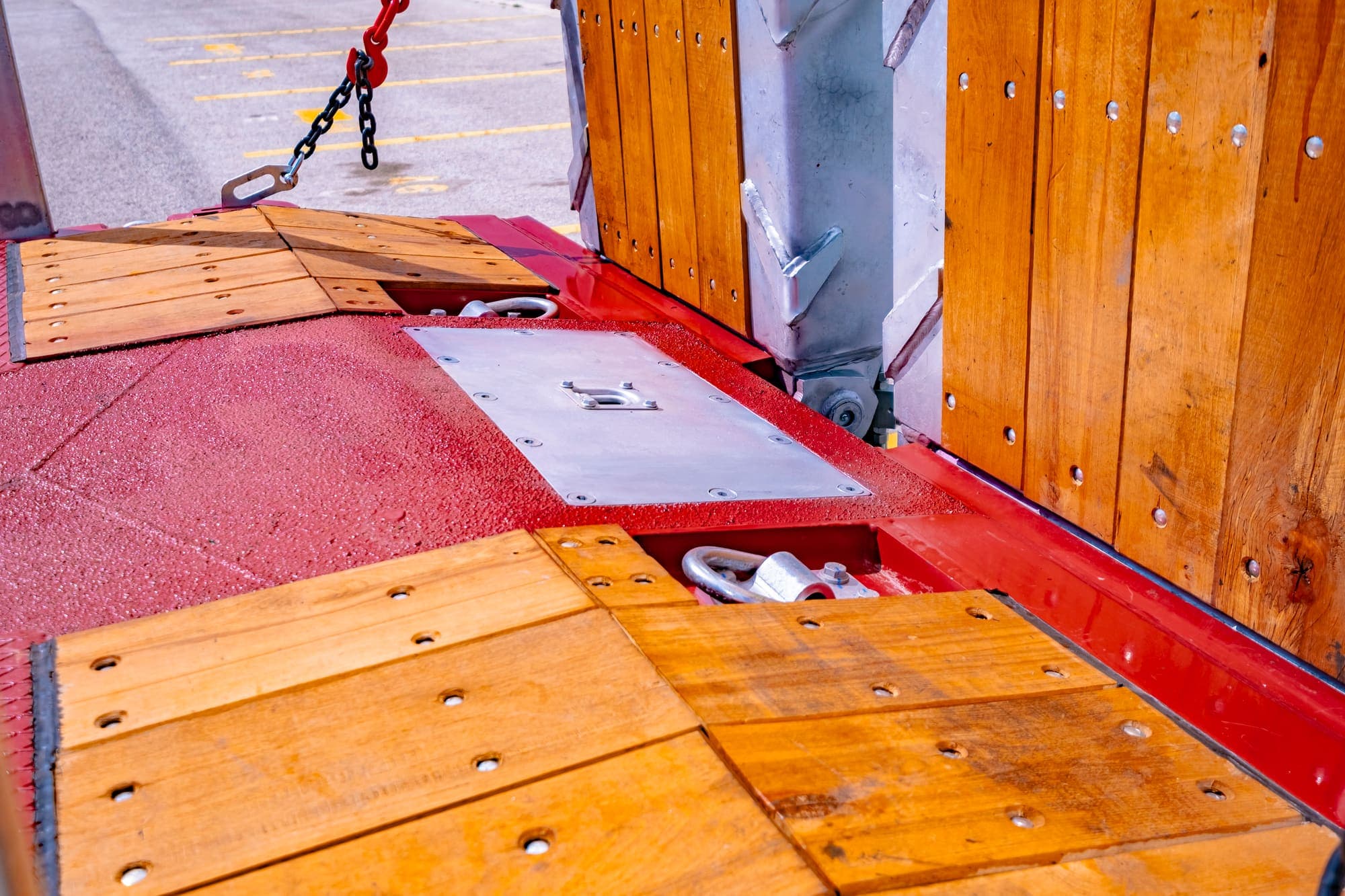
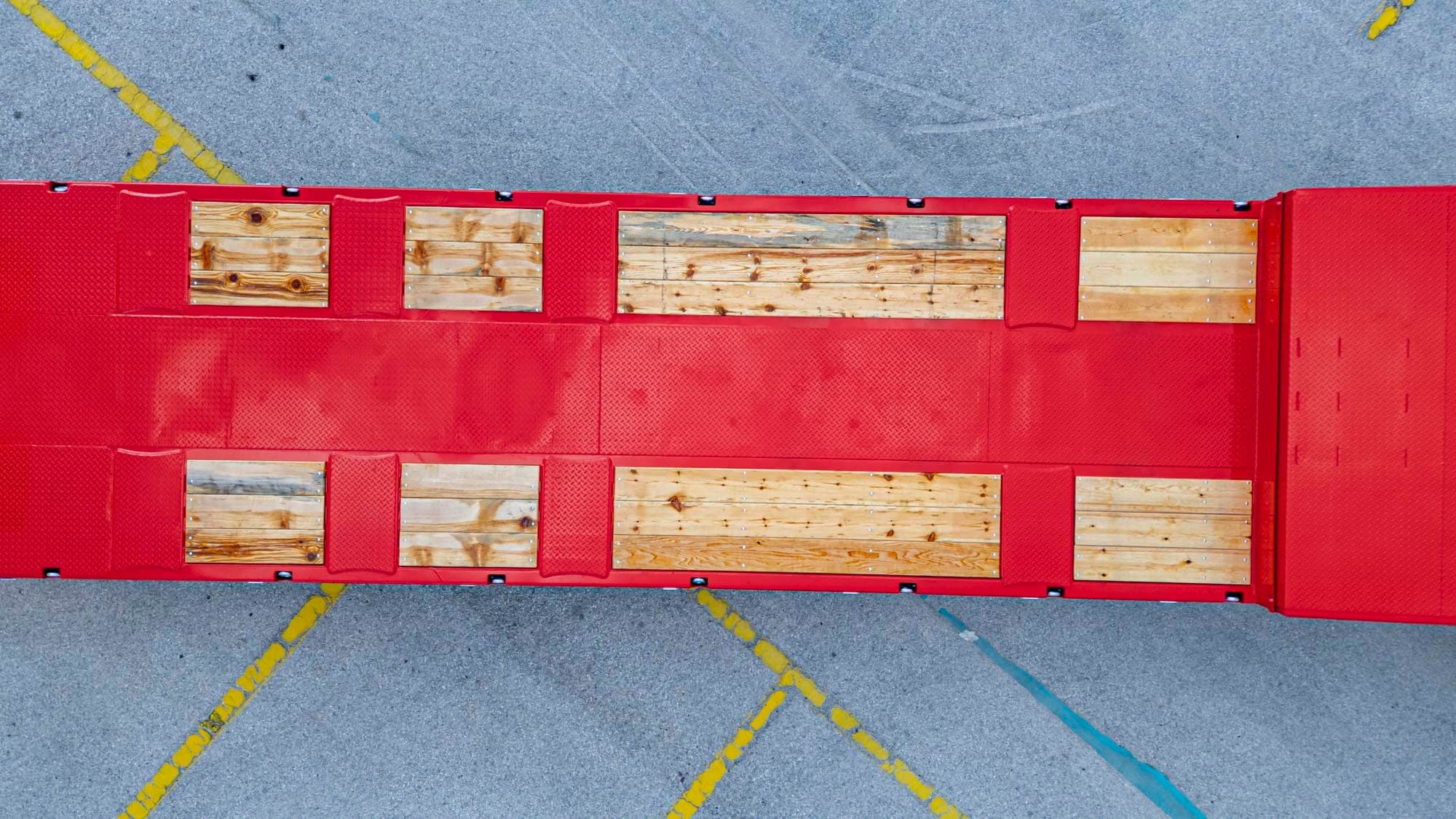
- Deck timber for rot, delamination, or loose fixings
Every year
Workshop-level inspection, ideally aligned with the statutory test.
- Main beam and cross-member welds inspected for cracking, especially around the gooseneck transition
- Full brake performance test and axle alignment check
- Hydraulic system pressure test and fluid replacement
- Corrosion inspection and paint or coating repair
- All certification and load-securing documentation reviewed and updated
The three failure points to watch
Weld cracking at the gooseneck transition is the most serious and the least visible. It grows slowly under cyclic loading and should be inspected deliberately rather than incidentally.
Hydraulic leaks are the most common cause of a trailer being taken out of service on the day, and they almost always announce themselves as weeping fittings first.
Deck timber is the most neglected. Rotten or delaminated flooring reduces friction under the tracks and quietly undermines the entire load securing calculation.